


Quick Answer
Mice hate strong-smelling scents that overwhelm their sensitive olfactory system, particularly peppermint, cinnamon, garlic, and lavender essential oils. These natural repellents work by irritating mice's nasal receptors, making treated areas uncomfortable for them. For best results, use concentrated essential oils (10-15 drops per cotton ball) and refresh every 3-5 days in high-traffic areas like entry points, cabinets, and along baseboards. While natural scents can deter mice, they work best as part of a comprehensive prevention strategy that includes sealing entry points and eliminating food sources.
Why Mice Have Such Sensitive Noses
Mice rely heavily on their sense of smell for survival. Their olfactory system is approximately 100 times more sensitive than humans', allowing them to detect food sources, predators, and potential mates from considerable distances. This heightened sensitivity is both their superpower and their weakness—what might smell pleasant or barely noticeable to us can be overwhelming and intolerable to mice.
Understanding this biological vulnerability is key to using scent-based deterrents effectively. When we introduce powerful aromas into their environment, we're essentially creating an invisible barrier that mice want to avoid.

The Science Behind Scent Repellents
Scent-based repellents work through two primary mechanisms:
1. Nasal Irritation: Strong aromatic compounds stimulate the trigeminal nerve in mice, causing physical discomfort similar to how onions make humans tear up.
2. Predator Association: Some scents trigger instinctive fear responses because they're associated with predators or danger in the wild.
The effectiveness of these repellents depends on concentration, application method, and environmental factors like ventilation and humidity.
13 Smells That Actually Keep Mice Away
Natural Essential Oils (Most Effective)
1. Peppermint Oil
The undisputed champion of mouse repellents. Peppermint contains high concentrations of menthol, which mice find absolutely intolerable. The sharp, cooling sensation overwhelms their sensitive nasal passages.
How to use: Apply 10-15 drops of pure peppermint essential oil to cotton balls and place them near entry points, in cabinets, and along baseboards. Refresh every 3-5 days for maximum effectiveness.

2. Cinnamon Oil
Cinnamon's warm, spicy aroma contains cinnamaldehyde, a compound that irritates mice's respiratory systems. It's particularly effective when combined with other scents.
Application tip: Mix cinnamon oil with water in a spray bottle (20 drops per cup) and spray around problem areas. The oil creates a protective barrier that mice won't cross.

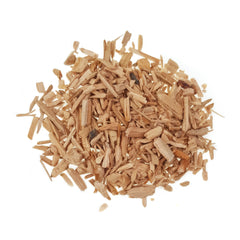
3. Cedarwood Oil
Cedar has been used for centuries as a natural pest deterrent. Its woody aroma contains natural compounds that disrupt mice's pheromone signals, making it harder for them to navigate and communicate.
Best for: Closets, storage areas, and attics where long-lasting protection is needed.
4. Lavender Oil
While humans find lavender calming, mice experience it as an overwhelming assault on their senses. The intensity of lavender's floral aroma makes treated areas highly uncomfortable for rodents.
Pro tip: Lavender sachets work well in drawers and small spaces, but pure essential oil provides stronger protection.
5. Eucalyptus Oil
The sharp, medicinal scent of eucalyptus contains cineole, which mice associate with danger. It's particularly effective in damp areas like basements where mice often nest.
6. Clove Oil
Clove oil contains eugenol, one of the most potent natural compounds for repelling rodents. Its spicy, pungent aroma is incredibly effective but should be used sparingly—it's very strong.
Caution: Clove oil can irritate human skin. Always dilute it and use gloves when applying.

Kitchen Ingredients That Deter Mice
7. Garlic
The key ingredient in garlic—allicin—is what mice hate most. When crushed, garlic releases sulfur compounds that create an almost physical barrier for mice.
How to use: Crush fresh garlic cloves and place them in problem areas, or make a garlic spray by blending cloves with water. Replace every 2-3 days as potency fades.

8. Black Tea
Standard black tea contains tannins and aromatic compounds that mice find repulsive. It's a mild deterrent best used in enclosed spaces.
Application: Use dry tea bags or steep strong black tea and spray it around entry points.

9. Coffee Grounds
The fragrance of coffee—pleasant to humans but overwhelming to mice—makes used coffee grounds an effective, free repellent.
Best practice: Spread dried coffee grounds around the perimeter of your home or in garden beds. Refresh weekly after rain.
10. Cayenne Pepper & Chili Powder
The capsaicin in hot peppers causes intense irritation to mice's nasal passages and eyes. This creates immediate discomfort and drives them away.
Warning: Be careful with pepper-based repellents if you have pets, as they can also irritate dogs and cats.
11. White Vinegar
Vinegar's sharp, acidic smell overwhelms mice and helps eliminate the pheromone trails they use to navigate. It's particularly useful for cleaning areas where mice have been active.
Tip: Mix equal parts vinegar and water in a spray bottle for cleaning and deterring simultaneously.

Chemical Scents (Use With Caution)
12. Mothballs (Naphthalene)
Mothballs contain naphthalene or paradichlorobenzene, which produce fumes mice avoid. However, according to the EPA, these chemicals are toxic to humans and pets and classified as possible human carcinogens.
Important: The National Pesticide Information Center warns that mothballs should only be used in airtight containers as specified on the label—not scattered in living spaces. Not recommended for homes with children or pets.
13. Ammonia
Ammonia's pungent smell mimics predator urine, triggering mice's instinctive fear response. However, it's harsh and potentially dangerous.
Safer alternative: Use natural predator scents or stick with essential oils rather than ammonia.
Effectiveness Comparison: Which Scents Work Best?
| Scent | Effectiveness | Duration | Cost | Safety | Best For |
|---|---|---|---|---|---|
| Peppermint Oil | ★★★★★ | 3-5 days | $$ | Safe | Entry points, cabinets |
| Cinnamon Oil | ★★★★☆ | 4-6 days | $$ | Safe | Kitchens, pantries |
| Cedarwood Oil | ★★★★☆ | 7-10 days | $$$ | Safe | Storage areas, closets |
| Lavender Oil | ★★★★☆ | 3-5 days | $$ | Safe | Bedrooms, drawers |
| Garlic (fresh) | ★★★★☆ | 2-3 days | $ | Safe | Immediate problems |
| Eucalyptus Oil | ★★★☆☆ | 4-6 days | $$ | Safe | Basements, damp areas |
| Coffee Grounds | ★★★☆☆ | 7 days | Free | Safe | Outdoor perimeter |
| Cayenne Pepper | ★★★☆☆ | 5-7 days | $ | Moderate* | Outdoor use |
| Vinegar | ★★★☆☆ | 1-2 days | $ | Safe | Cleaning, trails |
| Mothballs | ★★★★☆ | 30+ days | $ | Toxic** | Attics only |
| Ammonia | ★★★★☆ | 2-3 days | $ | Toxic** | Not recommended |
*Can irritate pets
**Toxic to humans and pets—use extreme caution
How to Apply Natural Mouse Repellents: Step-by-Step
Step 1: Identify High-Activity Areas
Look for mouse droppings, gnaw marks, and grease trails along walls. These indicate where mice are most active and where repellents will be most effective. Common hotspots include behind appliances, under sinks, in pantries, and along baseboards.

Step 2: Clean Thoroughly First
Before applying any repellents, clean all surfaces with vinegar solution to remove existing mouse pheromone trails. This eliminates the invisible highways mice use to navigate your home.
Step 3: Prepare Your Repellent Solution
For essential oils: Add 10-15 drops to cotton balls or make a spray with 20-30 drops per cup of water.
For kitchen ingredients: Crush fresh garlic or prepare coffee grounds/pepper mixtures.
Step 4: Strategic Placement
Place repellents at:
- All known entry points (cracks, gaps, holes)
- Behind and under appliances
- Inside cabinets and drawers
- Along baseboards where walls meet floors
- In corners of rooms and closets
Space cotton balls or spray applications every 3-4 feet for complete coverage.
Step 5: Maintain Consistency
Natural repellents lose potency over time. Set reminders to:
- Refresh cotton balls every 3-5 days
- Reapply sprays every 5-7 days
- Replace garlic and organic materials every 2-3 days
Step 6: Monitor and Adjust
Check for new mouse activity weekly. If you still see signs of mice, increase concentration or try combining multiple scents for a more powerful effect.
Combining Scents for Maximum Effectiveness
Single-scent approaches can work, but combining repellents creates a more robust defense:
Powerful Combination #1: The Barrier Blend
- 10 drops peppermint oil
- 5 drops cinnamon oil
- 5 drops clove oil
- Cotton ball application
This trio creates an almost impenetrable aromatic wall that mice strongly avoid.
Powerful Combination #2: The Fresh Protector
- 15 drops eucalyptus oil
- 10 drops lavender oil
- 5 drops cedarwood oil
- Spray application (30 drops per cup water)
Ideal for living spaces—smells pleasant to humans but repels mice effectively.
Powerful Combination #3: The Kitchen Guardian
- Crushed garlic cloves
- Cayenne pepper powder
- Coffee grounds mixed together
Particularly effective for outdoor perimeters and garage areas.
Natural Repellent Products vs. DIY Solutions
While making your own repellent solutions works, commercial products like Mice Eliminator Pouches offer convenience and consistent potency. These pre-made solutions contain concentrated blends of peppermint, cinnamon, and cedarwood oils specifically formulated for maximum effectiveness.
For immediate coverage of larger areas, Mice Eliminator Spray provides an extra-strength natural indoor repellent that's EPA-registered and safe for use around children and pets when used as directed.
What Doesn't Work: Debunking Common Myths
❌ Ultrasonic Devices: Despite marketing claims, scientific studies show minimal effectiveness. Mice quickly adapt to the sounds.
❌ Dryer Sheets: While they smell strong to humans, the scent isn't powerful enough to deter determined mice.
❌ Irish Spring Soap: Popular in folklore but lacks scientific evidence. The scent is too mild.
❌ Aluminum Foil: The sound may startle mice temporarily, but it's not a repellent and doesn't prevent entry.
❌ Cat Litter (unused): Without the presence of an actual predator, clean litter alone won't deter mice effectively.
Important Limitations of Scent Repellents
While natural scents can deter mice, they have important limitations:
- Not a Complete Solution: Repellents work best as part of comprehensive prevention that includes sealing entry points and removing attractants.
- Temporary Effects: Scents dissipate over time and require consistent reapplication.
- Limited Range: Effective within 3-5 feet of application point. Large spaces need multiple applications.
- Mice Adapt: If food sources are abundant, hungry mice may tolerate unpleasant smells to access food.
- Active Infestations: If you already have an established mouse population, scents alone won't eliminate them. You'll need traps or professional intervention.
Think of scent repellents as your first line of defense and a prevention tool—not a cure for existing infestations.
Integrating Scents Into Complete Mouse Prevention
For maximum effectiveness, combine scent repellents with these essential strategies:
Exclusion (Most Important)
- Seal all entry points with steel wool and caulk
- Install door sweeps on exterior doors
- Repair damaged screens and vents
Sanitation
- Store food in airtight glass or metal containers
- Clean up crumbs and spills immediately
- Keep garbage in sealed bins
Environmental Modification
- Remove outdoor debris and woodpiles
- Trim vegetation away from home's foundation
- Eliminate standing water sources
Monitoring
- Check for signs of mice weekly
- Set traps in high-activity areas
- Refresh repellents on schedule
For a complete guide to permanent mouse control, see our article on what keeps mice away permanently.
Frequently Asked Questions
What smell do mice hate the most?
Peppermint oil is consistently rated as the most effective natural mouse repellent. The high concentration of menthol in pure peppermint essential oil creates an intensely unpleasant sensation for mice that overwhelms their sensitive nasal passages. Studies show that mice actively avoid areas treated with concentrated peppermint oil (10-15 drops on cotton balls). However, effectiveness requires regular reapplication every 3-5 days, and it works best when combined with other prevention methods like sealing entry points and eliminating food sources.
Do natural mouse repellent smells really work?
Yes, natural repellent scents work as deterrents but with important limitations. Essential oils like peppermint, cinnamon, and lavender genuinely irritate mice's sensitive olfactory systems and can prevent them from entering treated areas. However, they're not 100% effective and work best for prevention rather than elimination. If mice are already established in your home or if food sources are abundant, hungry mice may tolerate unpleasant smells to access food. Natural repellents are most effective when used as part of a comprehensive approach that includes physical exclusion (sealing entry points) and sanitation (removing attractants).
How often should I reapply natural mouse repellents?
Reapplication frequency depends on the repellent type. Essential oils (peppermint, cinnamon, lavender) should be refreshed every 3-5 days as they evaporate and lose potency. Kitchen ingredients like crushed garlic need replacing every 2-3 days. Coffee grounds last about 7 days outdoors but less indoors. Vinegar sprays dissipate within 1-2 days. For consistent protection, set calendar reminders to check and refresh your repellents. High-traffic areas or spaces with good ventilation may need more frequent reapplication. Commercial products like repellent pouches typically last 30 days before needing replacement.
Can I use essential oils if I have pets?
Most essential oils used for mouse repellent are safe around dogs and cats when used properly, but precautions are necessary. According to the ASPCA, peppermint, lavender, and cinnamon oils are generally safe but should be applied in areas pets can't directly access or ingest. Never apply concentrated essential oils directly to your pet's skin or bedding. Avoid tea tree oil, which can be toxic to cats. Place cotton balls with oils in cabinets, behind appliances, or in spaces pets don't frequent. If your pet shows signs of irritation (excessive sneezing, drooling, or lethargy), remove the repellents immediately. When in doubt, consult your veterinarian before using essential oil repellents.
Will mice eventually get used to repellent smells?
Mice can develop tolerance to repellent scents over time, especially if there are strong attractants like abundant food sources. However, this adaptation typically takes several weeks and is more likely with single-scent approaches. To prevent tolerance, rotate between different repellents every 2-3 weeks (switch from peppermint to cinnamon to eucalyptus, for example) or use combination blends that make adaptation more difficult. The key is that repellents should never be your only defense—they work best as part of a comprehensive strategy that includes physical exclusion and sanitation. If mice have a compelling reason to stay (food, shelter, nesting materials), they may eventually tolerate unpleasant smells.
What's the best way to apply peppermint oil for mice?
For maximum effectiveness, use pure peppermint essential oil (not diluted extracts) and apply 10-15 drops to cotton balls. Place these cotton balls at all entry points—cracks in foundations, gaps around pipes, spaces where walls meet floors, and behind appliances. For larger areas, create a spray by mixing 20-30 drops of peppermint oil with one cup of water in a spray bottle (add a drop of dish soap to help the oil mix with water). Spray along baseboards, in cabinets, and around doorways. The scent should be strong enough that you can smell it clearly. Refresh cotton balls every 3-5 days and reapply spray every 5-7 days for continuous protection.
Do mothballs keep mice away?
Yes, mothballs do repel mice because they contain naphthalene or paradichlorobenzene, both of which produce fumes mice avoid. However, mothballs are toxic to humans and pets and should never be used in living spaces. The EPA classifies naphthalene as a possible human carcinogen and warns that mothballs should only be used in airtight containers as specified on the label—not scattered loosely in attics, basements, or walls. Exposure to mothball fumes can cause headaches, nausea, and respiratory irritation in humans, and can be fatal to pets if ingested. If you're tempted to use mothballs for mice, safer and equally effective alternatives include peppermint oil, commercial natural repellents, or professional pest control services.
Can I use vinegar to keep mice away permanently?
White vinegar can deter mice temporarily but it's not a permanent solution. Vinegar's sharp acidic smell is unpleasant to mice and it effectively removes pheromone trails they use for navigation. However, the scent dissipates within 1-2 days, making it impractical as a standalone repellent. Vinegar is most useful as a cleaning agent—use a 50/50 vinegar-water solution to clean areas where mice have been active, which eliminates their scent trails and makes your home less navigable for them. For longer-lasting protection, follow vinegar cleaning with essential oil applications or commercial repellents. Remember that no scent-based repellent provides permanent protection without addressing entry points and food sources.
Conclusion: A Scent-Based Defense Strategy
Natural repellent scents offer a safe, non-toxic approach to deterring mice from your home. While not a magic solution, strategic use of peppermint, cinnamon, lavender, and other powerful aromas creates an environment mice prefer to avoid.
The key to success is consistency, combination, and integration with other prevention methods. Refresh repellents regularly, use multiple scents for broader coverage, and always address the underlying factors that attract mice to your home in the first place.
For homeowners seeking convenient, professional-strength natural repellents, explore our complete line of mice control products designed for maximum effectiveness with zero toxic chemicals.