


By TTT Support | Updated: October 20, 2026
Quick answer: Yes, mouse repellent pouches work, as long as you use them for what they do best: keeping mice from settling into enclosed spaces such as cabinets, pantries, garages, attics, campers and stored vehicles. A pouch releases a strong scent (in our case a blend of peppermint, cinnamon and cedarwood oils) that mice would rather avoid. Lab research on mice shows that strong essential-oil scents make mice keep their distance, that blends work better than a single oil, and that the effect fades as the scent fades, so pouches need refreshing about once a month. Pouches are a deterrent, not a trap: they work best placed early (in fall, before mice move in), close to entry points, in spaces with little airflow, and combined with sealing gaps of 1/4 inch or more. If you already have a busy mouse problem, use pouches together with sealing and traps, not instead of them.

Every fall, as the nights get colder, mice start looking for a warm, dry place with food nearby. That's when most people discover them: droppings in the pantry, a chewed bag of birdseed in the garage, a nest in the camper they put away for the winter. Many people don't want poison baits in the house, and not everyone wants to deal with snap traps and what they leave behind. Mouse repellent pouches sit in the middle: you place them, and the space becomes one mice would rather not move into.
But do they actually work, or is it just a nice smell in a bag? This guide covers how scent pouches work, what the research says, where they work well and where they don't, and exactly where to put them. We make our own pouches, the Mice Eliminator Pouches, so we're obviously not neutral, but we'll be straight with you about what to expect.
How Do Mouse Repellent Pouches Work?
Mice live by their noses
Mice have poor eyesight but an excellent sense of smell. They use it to find food, avoid danger and decide where it's safe to build a nest. A space that smells strongly and unfamiliar, especially of sharp, minty or spicy plant oils, reads as "not safe, keep moving."
The pouch turns a space into a "no-go" zone
A repellent pouch is a small sachet that slowly releases a scent into the air around it. It doesn't kill, trap or poison anything. It simply makes the area around it unpleasant to mice, so they're less likely to settle, nest or forage there. That's why pouches work best in enclosed spaces where the scent can build up, and much less well in open, drafty areas where it blows away.
Why the base of the pouch matters
Many scent pouches on the market use ground corncob as the carrier for the oils. Corn is food for mice. We use a mineral base instead, so the pouch carries the scent without adding anything mice would want to eat.

Do Rodent Repellent Pouches Work? What the Research Says
There's less research on scent repellents for mice than on traps, so it's worth being precise about what we know.
Strong essential-oil scents do make mice keep their distance
In a 2022 study published in the Chiang Mai University Journal of Natural Sciences, researchers tested several plant oils (including peppermint) on mice in two behavioral tests. Right after the oils were applied, every oil tested made mice slower to enter the scented area and less willing to stay there, compared with water.
Blends beat single oils
In the same study, the combination of oils had the strongest and longest-lasting effect. That's the reasoning behind a multi-oil blend rather than a single scent: our pouches combine peppermint, cinnamon and cedarwood instead of relying on peppermint alone.
The effect fades as the scent fades
The study also found that peppermint on its own lost its effect within a week when sprayed on fabric. A pouch releases its oils more slowly than a spray, but the principle is the same: when the scent is gone, so is the deterrent. That's why refreshing matters (more on that below).
What scent repellents can't do
No repellent, natural or not, will seal a gap in your wall. University of California's Integrated Pest Management program notes that mice can get in through openings as small as 1/4 inch and recommends sealing them with materials mice can't chew through, such as coarse steel wool or wire screen. Pouches are most effective as one layer of a plan: seal what you can, remove easy food, and use pouches to make the spaces you care about unattractive.
What's Inside Our Mice Eliminator Pouches
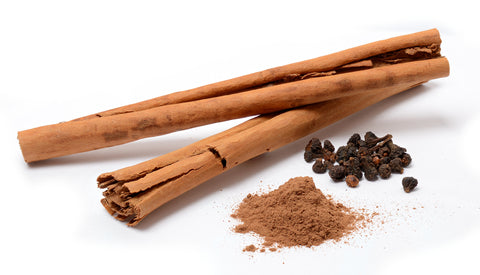
Each pouch carries a tri-blend of food-grade essential oils on a mineral base:
- Peppermint: the sharp, minty note most people associate with keeping mice away. Strong but quick to fade on its own, which is why we don't use it alone.
- Cinnamon: a warm, spicy scent that adds a second, different note to the blend.
- Cedarwood: a woody scent long used in closets and storage chests.
To most people the blend smells clean and a little like the holidays. It's noticeable up close, especially in a small space like a cabinet or a car, and fades as the pouch ages.


Transparency note: Tougher Than Tom makes Mice Eliminator Pouches, so we have an interest in recommending them. The placement and prevention tips below work with any quality scent pouch.
Mouse Repellent Pouches vs. Other Options
Here's how pouches compare with the other common ways people deal with mice:
| Method | How it works | Best for | Limits |
|---|---|---|---|
| Scent repellent pouches | Strong plant-oil scent makes a space unattractive | Prevention in enclosed spaces: cabinets, garages, campers, stored vehicles | Needs refreshing; weak in drafty, open areas; doesn't remove mice already nesting |
| DIY peppermint cotton balls | Same idea, homemade | A quick test in one small spot | Fades within days, oil can stain surfaces, needs constant re-soaking |
| Ultrasonic devices | High-frequency sound | Not recommended | UC IPM notes ultrasonic devices have very limited use; mice get used to repeated sounds |
| Snap traps | Kill trap | Removing mice that are already inside | You have to check, empty and reset them |
| Live-catch traps | Catch and release | People who want to remove mice without killing them | One mouse at a time; you have to release it far from home |
| Sealing entry points | Physical barrier | Long-term prevention | Takes time to find every 1/4-inch gap |
The strongest approach combines two or three of these. For a deeper look at what works long term, see our guide on what keeps mice away permanently, and if you need results this week, what gets rid of mice the fastest.
Where to Put Mouse Repellent Pouches: The TTT Pouch Placement Map
Placement makes or breaks a scent repellent. As a rule of thumb, use about 1 pouch per 50 square feet of enclosed space, plus one in each problem spot. Use more, and place them closer together, where you see heavy activity.
| Space | Where exactly | How many | Notes |
|---|---|---|---|
| Kitchen & pantry | Under the sink, back corners of lower cabinets, pantry floor | 1 per cabinet or shelf zone | Keep pouches away from open food; store dry food in sealed containers |
| Garage | Along walls near the door seal, by stored birdseed, pet food and grass seed | About 1 per 50 sq ft, plus one by each stored food source | Garages are drafty, so keep pouches low and in corners |
| Attic & basement | Near pipe and cable entry points, along the sill plate, in storage boxes | 1 per entry point you find, plus coverage by area | Check for droppings first to see where mice travel |
| Car or truck | Cabin floor, glovebox, trunk; in the engine bay away from hot parts and belts | 1–2 in the cabin, 1 in the trunk | Most useful for vehicles that sit for weeks; remove engine-bay pouches before driving |
| RV, camper or boat (winter storage) | Cabinets, under the sink, closets, storage bays | 1 per cabinet or compartment | Place them on the day you close it up for the season |
| Shed or cabin | Corners, near the door, inside stored equipment | About 1 per 50 sq ft | Seal gaps around the door and floor too |
Not sure where mice are getting in? Droppings are the best map. Our guide on what mouse droppings look like shows how to read them, and if you hear scratching inside the walls, start with how to get rid of mice in the walls.

5 Tips to Get the Most Out of Your Pouches
1. Use them in spaces with low airflow
Scent repellents rely on the scent building up. Near open windows, vents or a fan, it disperses too quickly. Closed cabinets, closets, storage bins and parked vehicles are where pouches do their best work.
2. Place them near entry points
Put pouches where mice come in: gaps around pipes under sinks, the corners of garage doors, where cables enter the attic. Then seal any gap of 1/4 inch or more with steel wool or wire mesh.
3. Don't rely on a single pouch
One pouch in the middle of a room leaves the far walls unprotected. Spread pouches so the whole space is covered, roughly one per 50 square feet.
4. Refresh monthly
Each pouch lasts about 30–60 days. When you can barely smell it, the scent is fading for mice too, so for full protection we suggest replacing pouches about once a month. Giving a pouch a squeeze or flipping it over every couple of weeks helps release more scent. A peppermint spray can recharge pouches between replacements, and our Mice Eliminator Spray covers spots where a pouch won't fit.
5. Keep spare pouches sealed
Pouches come 10 to a pack. Keep the ones you're not using in the resealable bag so they don't lose their scent before you need them.
When Pouches Aren't Enough
Pouches are a deterrent. They're excellent at prevention and at keeping mice out of the spaces you protect, but they won't remove a colony that's already nesting inside your walls. Signs you need more than pouches:
- fresh droppings in several rooms, every day;
- gnaw marks on food packaging, wiring or wood;
- scratching sounds in walls or ceilings at night;
- nests made of shredded paper or fabric.
In that case, combine traps to remove the mice that are already in, sealing to stop new ones, and pouches to keep cleaned-up spaces from being re-invaded. If you're not sure whether you're dealing with field mice coming in from outside or house mice living indoors, our guide to field mice vs. house mice will help, because they behave differently.
The Best Time to Use Mouse Repellent Pouches
Timing matters as much as placement. Mice move indoors when nights get colder, so the easiest moment to keep them out is early fall, before they settle in. The second key moment is whenever you close something up for weeks: a camper, boat, cabin or car going into winter storage. Placing pouches the day you close it up is far easier than cleaning up a nest in spring.
Pouches also pair well with other scents mice avoid. If you want to go further, see our guide to 13 smells that keep mice away and our tips on how to naturally repel mice.
Frequently Asked Questions
Do rodent repellent pouches really work?
Yes, for the right job. Lab research on mice shows strong essential-oil scents make mice avoid an area, with blends working better than single oils. Pouches work best in enclosed spaces such as cabinets, garages, campers and stored vehicles, placed before mice settle in and refreshed monthly. They're a deterrent rather than a trap, so for an active infestation combine them with sealing and traps.
How long do mouse repellent pouches last?
Each Mice Eliminator Pouch lasts about 30–60 days, depending on temperature and airflow. For full protection we suggest replacing them about once a month. Warm, drafty spaces use up the scent faster than cool, closed cabinets.
How many mouse repellent pouches do I need?
About one pouch per 50 square feet of enclosed space, plus one in each problem spot such as under the sink, inside cabinets, in the car or in closets. Where you see heavy activity, use more pouches and place them closer together.
Are mouse repellent pouches safe around kids and pets?
Our pouches use essential oils instead of poison baits, and they're safe around kids and pets when used as directed. Place them out of reach of pets that might chew on them; some dogs love the peppermint smell.
Do repellent pouches work in cars and engine bays?
Yes, scent pouches are a popular way to protect vehicles that sit for weeks, because a car cabin or trunk is a small, enclosed space where the scent builds up well. Use 1–2 pouches in the cabin and one in the trunk; if you place one in the engine bay, keep it away from hot parts and moving belts, and remove it before driving.
Do mice get used to the smell?
Mice are less likely to ignore a strong scent than a repeated sound, but any scent repellent weakens as it fades. That's why refreshing pouches monthly and using a blend of oils, rather than a single scent, matters.
Can I use pouches and traps together?
Yes, and if mice are already inside, you should. Traps remove the mice that are there; pouches make the cleaned-up spaces unattractive so new mice don't move back in. Just don't put a pouch right next to a trap, or the scent may steer mice away from the trap.
Do mouse repellent pouches smell bad?
Not to most people. The peppermint, cinnamon and cedarwood blend smells fresh and a little festive. It's noticeable in small spaces like a car or cabinet and fades as the pouch ages.

The Bottom Line
Mouse repellent pouches work best as prevention: place them in enclosed spaces before mice settle in, near the gaps they use, and refresh them monthly. Combine them with sealing for long-term results, and with traps if mice are already inside. If you'd like to try ours, the Mice Eliminator Pouches come 10 to a pack with a 30-day money-back guarantee.
Sources
- Chulikhit, Y., Maneenet, J., Monthakantirat, O., Daodee, S., and Khamphukdee, C. (2022). "The Repellent Potential of Herbal Oils Alone and in Combination in Mouse Behavioral Models (Mus musculus)." Chiang Mai University Journal of Natural Sciences, 21(3): e2022049. doi.org/10.12982/CMUJNS.2022.049
- University of California Statewide Integrated Pest Management Program. "House Mouse" (Pest Notes 7483). ipm.ucanr.edu


