


Quick Answer
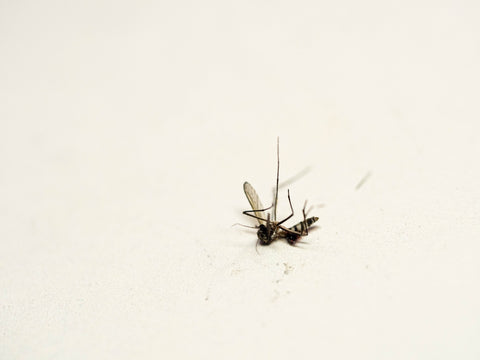
If mosquitoes went extinct, the ecological impact would be significant but probably not catastrophic. Mosquitoes serve three main roles in ecosystems: as a food source for birds, bats, fish, and other insects; as pollinators for certain plant species; and as decomposers in their larval stage. Removing all 3,500 mosquito species at once would disrupt food webs, potentially reduce populations of animals that rely heavily on them, and affect the pollination of some plant species. However, most ecologists believe the ecosystem would adapt over time — other insects would likely fill the vacant ecological roles. The honest answer is that we don’t know for certain what total mosquito extinction would mean. What we do know is that selectively reducing mosquito populations around human living spaces — without attempting global eradication — is a practical approach that improves quality of life with far less ecological risk.

Introduction
The question comes up every summer when mosquitoes are at their worst: what if they just… didn’t exist? It’s a satisfying thought when you’re slapping your arms at a backyard barbecue. But the real answer is more complicated — and more interesting — than most people expect.
As someone who spends a lot of time thinking about mosquitoes (occupational hazard), I find this question genuinely fascinating. Mosquitoes are among the most hated insects on Earth, but they’ve been part of ecosystems for roughly 100 million years. That’s a long time to become embedded in the food web.
This article explores what ecologists and biologists believe would actually happen if mosquitoes disappeared — the short-term disruptions, the long-term adaptations, the species that would struggle, and the species that might thrive. We’ll also talk about what this means practically for how we manage mosquitoes around our homes.
How Many Species of Mosquitoes Are There?
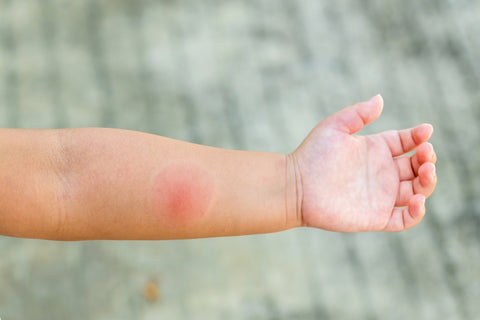
Before discussing extinction, it’s worth understanding the scale. There are approximately 3,500 known species of mosquitoes worldwide. Of these, only a small fraction actively bite humans. Many mosquito species feed primarily on birds, reptiles, amphibians, or other mammals — not people.
This matters for the extinction question because “mosquitoes” aren’t one thing. Different species play different ecological roles. Some are important pollinators. Others are primarily food sources for specific predators. A handful are the ones that make backyard evenings miserable.
When most people imagine mosquito extinction, they’re picturing the elimination of the specific species that bite humans. In reality, a full extinction scenario would eliminate all 3,500 species — including many that most people have never encountered and that pose no direct nuisance.
What Role Do Mosquitoes Play in Ecosystems?
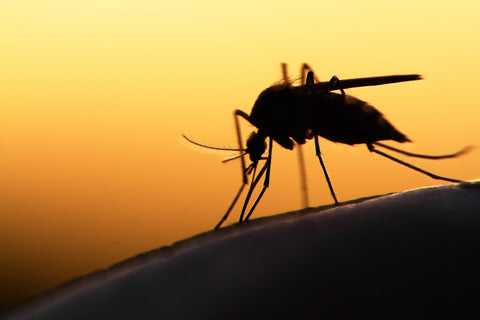
Mosquitoes serve several ecological functions that their disappearance would disrupt:
Mosquitoes as a Food Source
This is their most significant ecological role. Mosquito larvae are aquatic and serve as food for:
- Fish — particularly small freshwater fish that depend on aquatic insect larvae as a primary food source. The mosquitofish (Gambusia affinis) is notably dependent on mosquito larvae.
- Amphibians — frogs, salamanders, and tadpoles consume mosquito larvae in ponds and wetlands.
- Aquatic insects — diving beetles, dragonfly larvae, and other predatory aquatic invertebrates feed on mosquito larvae.
Adult mosquitoes serve as food for:
- Bats — in certain environments, particularly in the Arctic and sub-Arctic, mosquitoes represent a significant portion of bat diets during peak seasons.
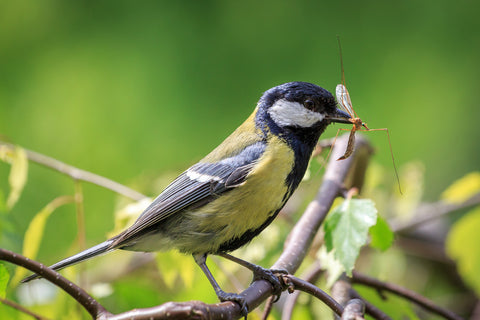
- Birds — migratory birds in the Arctic tundra time their arrival to coincide with mosquito emergence; enormous swarms provide essential protein for breeding success.
- Dragonflies and damselflies — adult mosquitoes are frequently preyed upon in flight.
- Spiders — mosquitoes are regularly caught in webs.
Mosquitoes as Pollinators
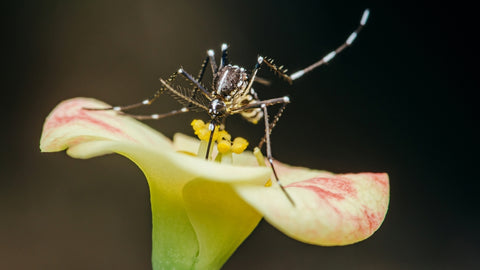
This surprises many people: some mosquito species are legitimate pollinators. Male mosquitoes (which don’t bite) and some female species feed on nectar and can transfer pollen between flowers. The Aedes communis (snow pool mosquito) is documented as an important pollinator of certain orchid species in northern regions of North America. Removing this pollination service would affect some plant populations in specific ecosystems.
However, compared to bees, butterflies, and other dedicated pollinators, mosquitoes’ contribution is relatively minor across most ecosystems. The notable exceptions are in Arctic and subarctic environments, where mosquito diversity is lower, and their pollination role is more significant.
Mosquitoes as Decomposers
Mosquito larvae feed on organic matter in still water, participating in the decomposition cycle of aquatic ecosystems. Removing this role would shift the balance of decomposition in ponds, marshes, and wetlands — but other aquatic organisms perform similar functions and would likely expand to fill the gap.
Which Animals Would Struggle Most If Mosquitoes Disappeared?
Arctic migratory birds would be among the most affected. In the brief Arctic summer, mosquito swarms are so dense that they form a significant portion of the food available to nesting and migrating birds. Some researchers have estimated that in peak mosquito areas of the Arctic tundra, bird populations could decline by as much as 50% without this food source — though this estimate is debated, and birds would likely adapt to alternative insect food sources over time.
Certain fish species — particularly the mosquitofish and other small freshwater species — would need to substantially change their diet or face population pressure. In isolated ecosystems with fewer alternative prey, this could be significant.
The purple martin (Progne subis) is often marketed to homeowners as a mosquito control agent (purple martin houses are sold specifically for this purpose), though research suggests mosquitoes make up a relatively small portion of their actual diet. The purple martin’s population impact from mosquito extinction would likely be modest.
Which Animals Would Benefit?
Humans — most directly and obviously. Fewer mosquitoes means fewer bites, less nuisance, and reduced pressure on outdoor activities and quality of life.
Competing insects — species that compete with mosquito larvae for aquatic food resources would likely proliferate in mosquitoes’ absence, potentially filling parts of the food web role.
Some plant species — plants that are actively pollinated by mosquitoes might struggle temporarily, but other pollinators would likely adapt to fill the niche for most species.
Caribou and other large mammals — in the Arctic, caribou have been observed walking into icy water or onto snow patches to escape mosquito swarms. Mosquito pressure in peak season can reduce caribou feeding time significantly. Their quality of life (for whatever that means for a caribou) would improve.
What Would Happen to Ecosystems?
The scientific consensus, as reflected in a landmark 2010 article in the journal Nature titled “A world without mosquitoes,” is cautiously optimistic: the ecosystem would be disrupted but would likely not collapse. The key reasons:
- Redundancy — most of the ecological roles mosquitoes play are also served by other organisms. Their food web position isn’t unique enough to cause irreversible collapse in most environments.
- Adaptability — predators that currently eat mosquitoes would shift their diet over time. This is already observable — species that appear to depend heavily on mosquitoes typically have more varied diets than their reputation suggests.
- Ecosystem novelty — ecosystems have absorbed dramatic changes before. The ecological community that emerged after mosquito disappearance would be different from what we have today, but not necessarily impoverished.
The exception is certain Arctic and tropical wetland ecosystems where mosquitoes are more deeply embedded in the food web. In these environments, the disruption would likely be more severe and longer-lasting.
Could Mosquitoes Actually Be Made Extinct?
This has moved from science fiction to genuine scientific debate. Technologies including sterile insect techniques, gene drives, and targeted biological control are being actively researched. A gene drive — a genetic modification that spreads through a population and could theoretically reduce or eliminate a species — has been proposed specifically for mosquitoes.
However, deliberately driving any species to extinction raises profound ethical and ecological questions. Most researchers focus on population suppression in specific areas rather than global eradication. Reducing mosquito populations in and around human settlements, without attempting total elimination, is the middle path that most entomologists and ecologists consider most responsible.
Practical Implications: Managing Mosquitoes Without Disrupting Ecosystems
The mosquito extinction question is fascinating theoretically, but the practical conclusion for most homeowners is more grounded: you don't need to eliminate all mosquitoes everywhere — you just need to dramatically reduce them in your immediate environment.
This is exactly the philosophy behind Mosquito TNT. Rather than broad-scale chemical application, it works by creating a concentrated CO2 signal — the same type your breath produces — that mosquitoes are drawn to instead of you. Those that land on the liquid surface are eliminated through a physical trapping mechanism. The result is a significant reduction in the local mosquito population around your outdoor living space, without broad environmental impact.
It's a targeted approach to a local problem. Your yard. Your patio. Your summer evenings. Not the whole ecosystem.
Using Mosquito TNT:
- Just add warm water, stir, and hang up in your outdoor space
- Works for up to 30 days per use
- DEET-free*
- Safe around kids and pets when used as directed
*DEET-free refers to the formulation only and is not a safety claim.
Learn more: Mosquito TNT | 5 Reasons Everyone Needs Mosquito TNT
For complementary approaches in and around your home, explore our full guide on how to naturally repel mosquitoes.
Where Do Mosquitoes Breed Near Your Home?
Even if global extinction isn’t on the table, understanding where mosquitoes breed locally helps you reduce their population in your immediate area. Mosquitoes lay eggs in standing water — and the smallest amounts count.
Common breeding sites near homes: - Clogged gutters holding water - Birdbaths that aren’t refreshed regularly - Plant saucers and pot trays - Buckets, tarps, or any container that collects rainwater - Low spots in the yard that stay wet after rain - Ornamental ponds without circulation or fish
Learn more about mosquito breeding patterns in our guide: Where do mosquitoes lay their eggs in a house?
Why Do Mosquitoes Exist? The Evolutionary Perspective
Mosquitoes have been around for approximately 100 million years — they predate humans by a vast margin. From an evolutionary standpoint, their remarkable success comes down to a few key adaptations:
- CO2 detection — mosquitoes can detect carbon dioxide (the byproduct of breathing) from significant distances, allowing them to locate warm-blooded hosts.
- Chemical sensing — they also detect lactic acid, body heat, and moisture, creating a multi-channel detection system.
- Aquatic breeding — larvae develop in water, separating their reproductive habitat from their adult feeding habitat and making complete elimination extraordinarily difficult.
- Rapid reproduction — a mosquito can go from egg to biting adult in as little as 7–10 days in warm conditions.
Understanding these adaptations is directly useful for mosquito control. Target the CO2 signal (which is what Mosquito TNT does), eliminate standing water, and you address two of their core survival mechanisms simultaneously.
Frequently Asked Questions
Would the world be better off without mosquitoes?
The honest answer is: it depends on what you mean by “better.” For human quality of life, the immediate answer seems like yes. For ecosystem stability in certain environments — particularly Arctic tundra, tropical wetlands, and freshwater systems where mosquitoes are deeply embedded in the food web — the short-term answer is more complicated. Most ecologists believe global mosquito extinction would cause significant but temporary disruption and that ecosystems would eventually adapt. That said, deliberately driving any species to extinction is an ethically and ecologically complex territory. Most researchers advocate for targeted population management near human settlements rather than global eradication.
What would eat mosquitoes if they were gone?
Many animals that currently eat mosquitoes — bats, birds, dragonflies, spiders, and frogs — have broad diets that include many other insects. They would shift their feeding to alternative prey. Some specialist feeders, particularly certain fish species like the mosquitofish, would face more significant dietary pressure. Over time, competing insect species would likely expand to fill parts of the ecological niche mosquitoes currently occupy.
Are mosquitoes actually important for pollination?
Yes, though their contribution is more limited than bees or butterflies. Male mosquitoes (which don’t bite) and some female species feed on nectar and can transfer pollen. The most well-documented example is the snow pool mosquito (Aedes communis), an important pollinator of certain orchid species in northern North America. In Arctic and subarctic ecosystems, their pollination role is more significant than in temperate or tropical zones.
What would happen to bats if mosquitoes went extinct?
Bats are often cited as major mosquito predators, but research suggests mosquitoes represent a smaller portion of most bat diets than commonly believed. Most bat species eat a wide variety of flying insects — moths, beetles, and flies are typically more important in their diet than mosquitoes. Some bat species in specific environments would be more affected than others, but a global bat population collapse due to mosquito extinction alone is considered unlikely by most ecologists.
What would happen to fish if mosquitoes disappeared?
Fish that feed primarily on mosquito larvae — particularly the mosquitofish (Gambusia affinis) — would face the most significant dietary adjustment. Other small freshwater fish would need to rely more heavily on alternative aquatic insect larvae (midges, gnats, mayflies) that occupy similar ecological niches. In most freshwater systems, these alternatives are abundant enough that the disruption would be manageable over time.
How close are we to mosquito extinction technology?
Gene drive technology — which could theoretically spread genetic modifications through an entire wild population — has advanced significantly in laboratory settings. Sterile insect technique (releasing sterilized male mosquitoes to reduce breeding) has been used experimentally in contained areas. However, deliberately driving any wild species to global extinction remains ethically controversial and would require extraordinary international coordination. Most current research focuses on controlling mosquito populations in specific high-burden areas, not global eradication.
How can I reduce mosquitoes in my yard without sprays?
The most effective approaches combine breeding site elimination with targeted trapping. Remove standing water from gutters, containers, and low spots in the yard. Use a CO2-based trap like Mosquito TNT, which works by creating a concentrated CO2 signal that mosquitoes are drawn to — competing with the signal from you — so they go to the trap instead. Supplement with other mosquito control methods — our guides on how to get rid of mosquitoes without chemicals and how to make a mosquito killer spray cover the practical options in detail.
Conclusion
Mosquito extinction is one of those questions that sounds simple but opens up a fascinating window into how ecosystems actually work. The short version: the world would survive, many animals would adapt, and some specific ecosystems would experience real disruption. The practical conclusion for most homeowners isn’t about global extinction — it’s about making your outdoor space dramatically less hospitable to the species that are bothering you.
That’s achievable without eliminating all mosquitoes from the planet. Explore Mosquito TNT, our Mosquito Eliminator Spray, and our full range of solutions to reclaim your yard this season.

Sources: Nature — “A world without mosquitoes” (2010) | PMC/NIH — Effects of mosquito removal on interacting predators and competitors | HowStuffWorks — What If Mosquitoes Went Extinct?